
It seems simple. Share a complete presentation to an eagerly awaiting audience. A polished story. Clean slides. A confident delivery from an expert clearly loving the chance to share their knowledge.
What you don’t see is everything that happens before that moment.
At WebExpo, we have spent a lot of time thinking about that gap. That is the space between a good idea and a great talk. And over time, we have built something that looks a bit like a rehearsal, a bit like a meetup, and a bit like a support group. Or even a “polishing session”, as it has been put to us.
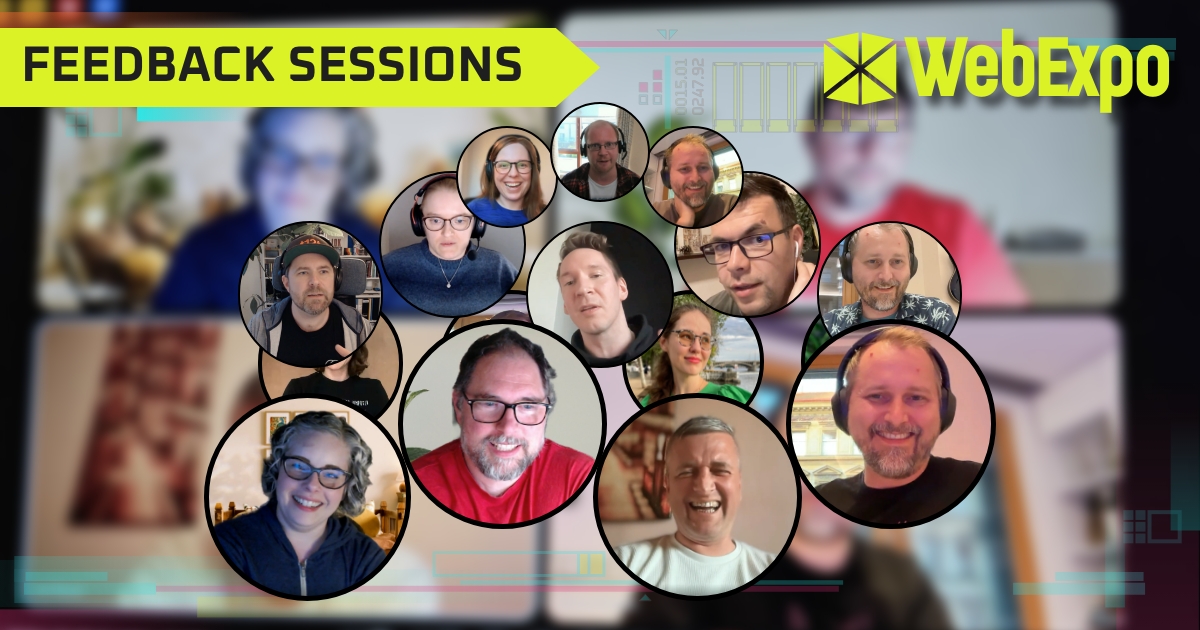
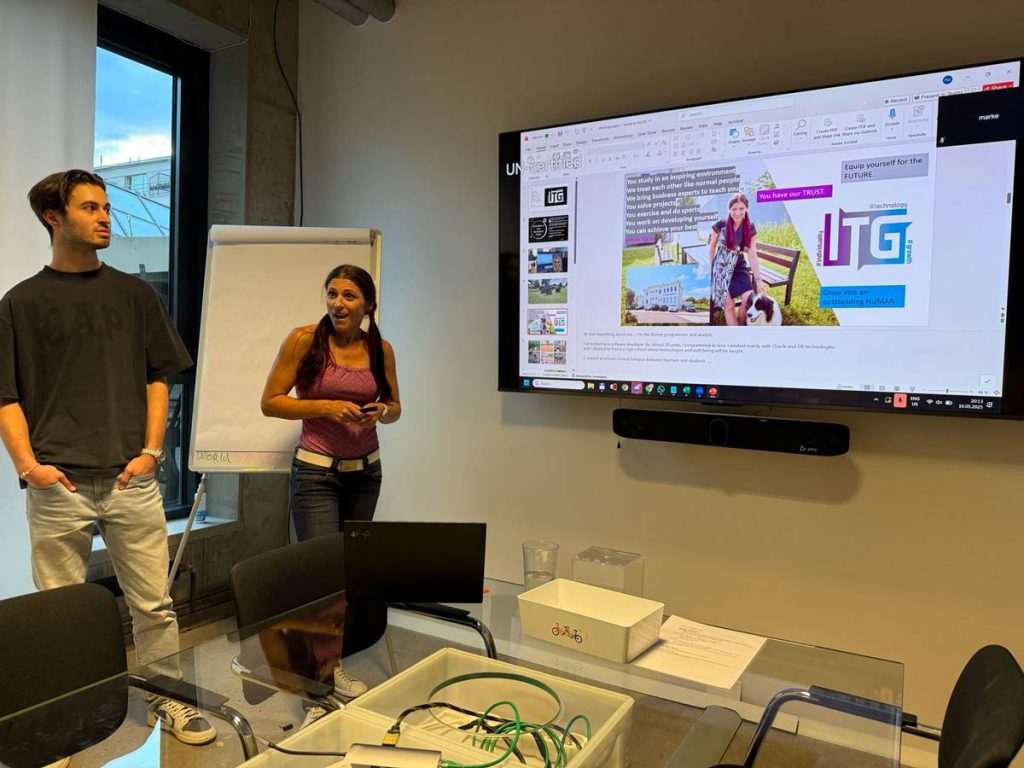
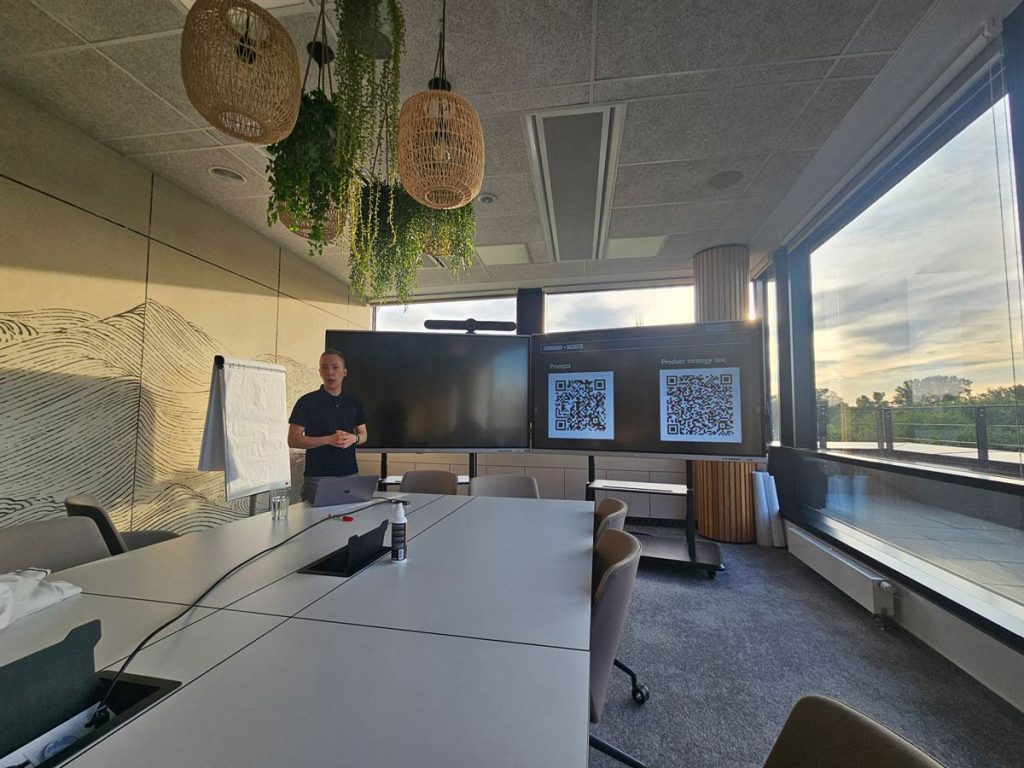
We call them feedback sessions. For four weeks, almost every working day evening, our team sits down with speakers in small groups.
The reality: most talks aren’t ready (yet :/)
One thing becomes obvious very quickly when you run these sessions. Most talks aren’t finished. Ask any speaker; even when it is “finished”, there is “one more thing”.
We ask for a “release candidate”, but what we usually get is a late beta. A speaker warning the room, “I haven’t finished this middle section, so just pretend there is a brilliant graphic here”, is completely normal. And that is exactly why these sessions exist.
Feedback that actually moves the needle
The format is straightforward: we put speakers into small groups. We try to match them by similar topics, but schedules don’t always allow it. And honestly, we love it when they don’t. A mixed room comes with unexpected perks.
Because sometimes, the most valuable perspective comes from entirely outside your domain.
A deeply technical speaker might expect feedback from peers in their niche. Instead, they get a creative director pointing out something far more fundamental: the story isn’t landing.
And occasionally, the feedback could be described as “it is not blunt, it is direct”.
That kind of honesty only works because of the environment around it: peer-led, respectful, and built on trust. The speaker in question later described it as “the simplest and best feedback they had ever received”.
Some small details can change everything
A lot of what happens in these sessions isn’t dramatic. It is practical, repeatable improvements.
Something as simple as pacing. One trick we suggest: “Have a planned moment to have a glass of water. You are giving the audience time to think.”
It sounds trivial. But it is about control, timing, and giving your key message space to sink in.
Then there is structure. Sometimes a talk works better presented in reverse order. Sometimes the detour in the middle should be the opening.
These are small moves. But stacked up, they change everything.
It is not just coaching, it is collaboration
What makes these sessions work isn’t just the feedback. It is who it comes from and the intent and experience behind it.
Our speakers are of the highest calibre. Each one is an expert in their own right. And each one is there to improve. That creates something different from a solo rehearsal; it becomes a shared process.
Designers, developers, and business and product people looking at the same problem from different angles. You see assumptions challenged. You see ideas reframed.
As one speaker put it, “We need to test our ideas… as early as possible.” And that is exactly what these sessions are: a safe space to test ideas before they hit the stage.
And something awesome happens
What started as a way to improve presentation has turned into something else. Connection.
Speakers meet each other before the conference even begins. They quickly realise they aren’t alone. Everyone feels similar doubts and stress, no matter how much experience they have. Sharing those nerves openly changes the dynamic.
By the time they meet in person in Prague, the awkward introductions are gone.
From rough ideas to something that shines
The most rewarding part isn’t the session itself. It is what happens after.
Watching a talk evolve from a rough draft into a story that is confident, clear, and impactful. Witnessing someone grab the mic, some for the first time, or perhaps for the biggest stage of their career, and deliver a presentation noticeably stronger than a few weeks earlier. That transformation is undeniable.
And it is built from moments like:
- unfinished slides
- honest self-critique
- direct, sometimes uncomfortable feedback
- and small, practical improvements applied consistently
It’s practice, feedback, and support.
This is what we mean by “we care about our speakers”
We don’t just see them as people delivering content. They are experts who trust us with their work in progress.
Caring means giving them more than just a stage. Whether it is their first talk or their fiftieth, there is always another angle to explore. Our job behind the scenes is to make sure they never have to figure it out alone.